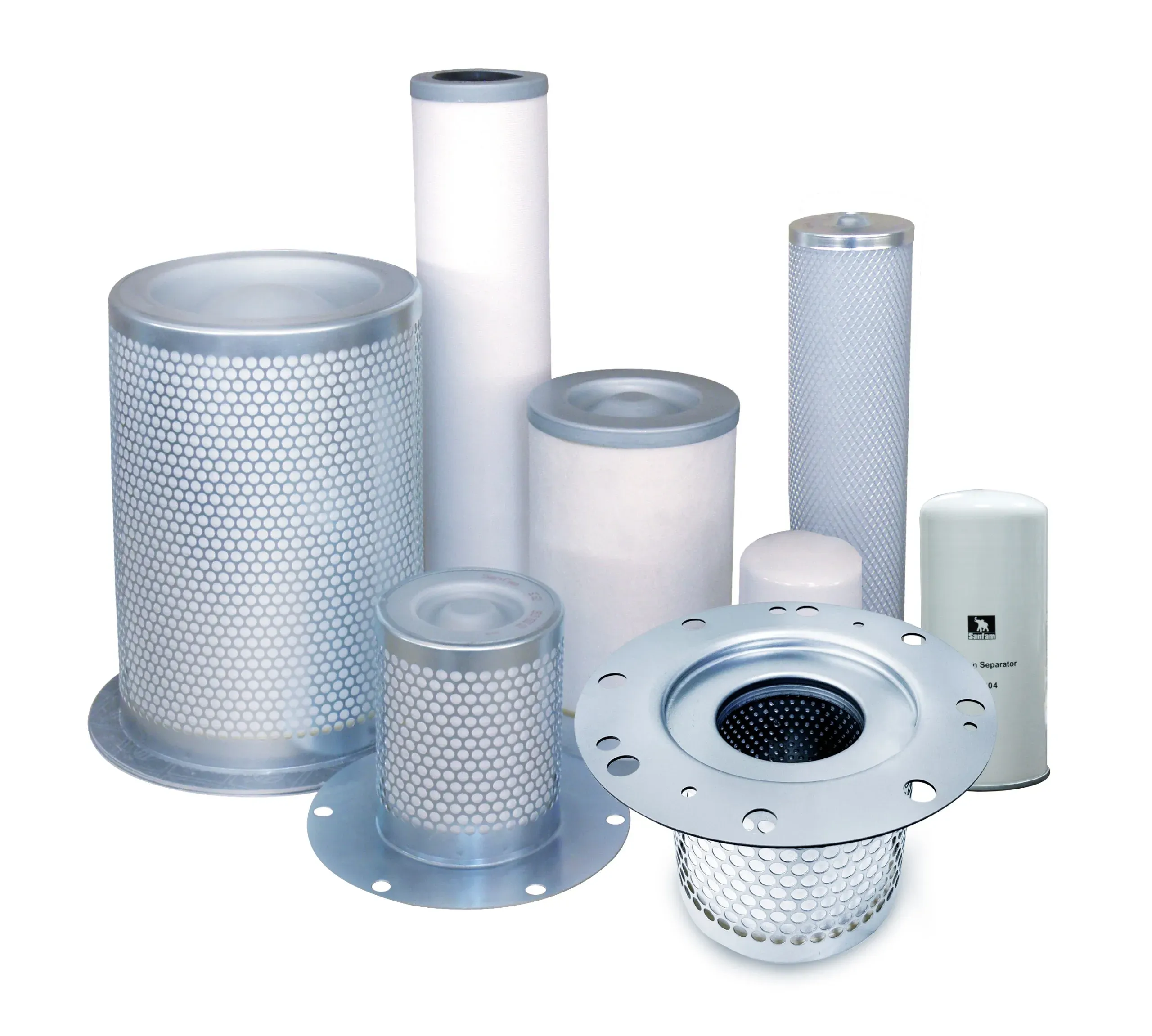
Troubleshooting
How to cross-reference an air filter element when the OEM number is obsolete
OEM filter number obsolete? Measure the old element and match by compressor model to find a fit. See the dual-route cross-reference method that works.
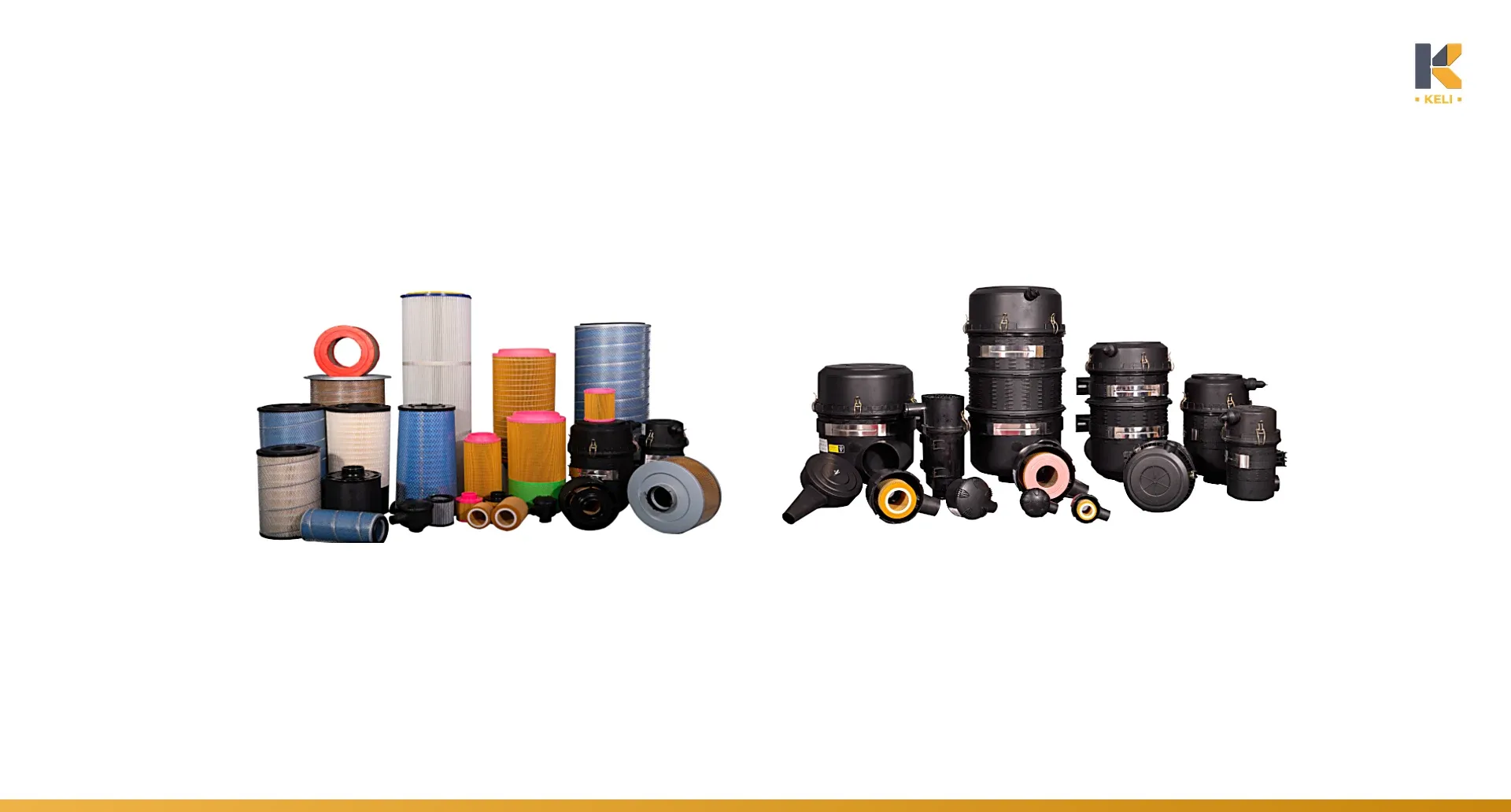
Every parts store eventually meets the same problem: the compressor is still running, but the OEM filter number in the manual has been discontinued, renumbered, or simply cannot be found anywhere. An obsolete number is not a dead end. Two independent routes — measuring the old element and matching by machine model — will identify a replacement that fits and seals.
Why OEM numbers disappear
Filter part numbers go obsolete for reasons that have nothing to do with your machine. Compressor makers revise filter designs and renumber them, housing generations change, and company mergers retire entire numbering systems. A distributor who searches only that one string finds nothing, even though a physically identical element exists under several other numbers.
Route one: measure the old element
If you still have the used element, it is the reference to start with. Measure four things: outer diameter across the end cap; overall height including the end caps; the end cap structure — open or closed on each side, metal or plastomer; and the fixing method, whether a center bolt, a threaded stud or a snap-in arrangement. Note the gasket location and width as well, because the seal face is where most mismatches show.
Record the dimensions in millimeters and photograph the element from both ends. Most cross-reference errors come from skipping one of these steps, and the step most often skipped is the end cap form.
Route two: match by compressor model
The machine itself is a second, independent reference. The nameplate gives the manufacturer, the model and usually a serial number, and from these the intake filter fitted to that housing generation can be identified. This route matters when the old element is gone or too damaged to measure.
Use both routes together whenever you can. A physical match and a model match that agree with each other give solid confirmation even before the part is fitted, and a disagreement between the two is exactly the case that deserves a second look before you order.
The mismatches that waste a purchase order
Two failure modes account for most bad cross-references. The first is dimension: an element a few millimeters off in outer diameter will not seat in the housing, and a two-millimeter difference is enough to turn a simple changeout into a returned shipment. The second is structure: the right diameter with the wrong end cap shape, an open end where the housing needs a closed one, or a gasket in the wrong position all leave the element unable to seal.
A filter that fits loosely is worse than a missing one, because the leak path it creates routes intake air around the media entirely. Dust goes straight to the screw element with no filtration at all.
Cross-references across brands
Cross-referencing also works across brands. An intake filter for an Atlas Copco GA22, for example, is available under multiple supplier numbers, and the same applies to Ingersoll Rand and other mainstream screw compressors. What makes a cross-reference trustworthy is not how many equivalents are claimed, but whether the dimensions, end cap form and sealing arrangement have actually been checked against the original.
This is also why a cross-reference should be treated as a claim to be verified, not a fact. Numbers get copied between suppliers' lists, and a copying error survives until someone holds the two elements side by side.
How Keli-Parts handles obsolete numbers
Keli-Parts has supplied air compressor parts from Ningbo since 2002 and has run its own filter element factory there since 2006, with more than 3,000 standard parts covering screw and piston machines. The range includes cross-references for mainstream compressor brands, and fitment is treated as a step before quoting, not after: thread and sealing face dimensions — and bypass valve opening pressure on oil-side parts — are checked against the model and old part number you provide before a price is issued.
Send whatever you have — a part number, a nameplate photo, or a set of measurements — and you get a verified match rather than a guess, with packaging information included in the quote.
Email the machine model and the numbers you can still read, or your measurements, to sales@keli-parts.com or WhatsApp +86 15757463901, and we will verify fitment and quote within one working day.