Troubleshooting
Running a compressor fleet: building a reorder cycle that prevents stockouts
Mixed models, staggered service dates, costly air shipments. Build a fleet file and quarterly reorder waves. Keli-Parts supports MOQ 1 and mixed shipments.
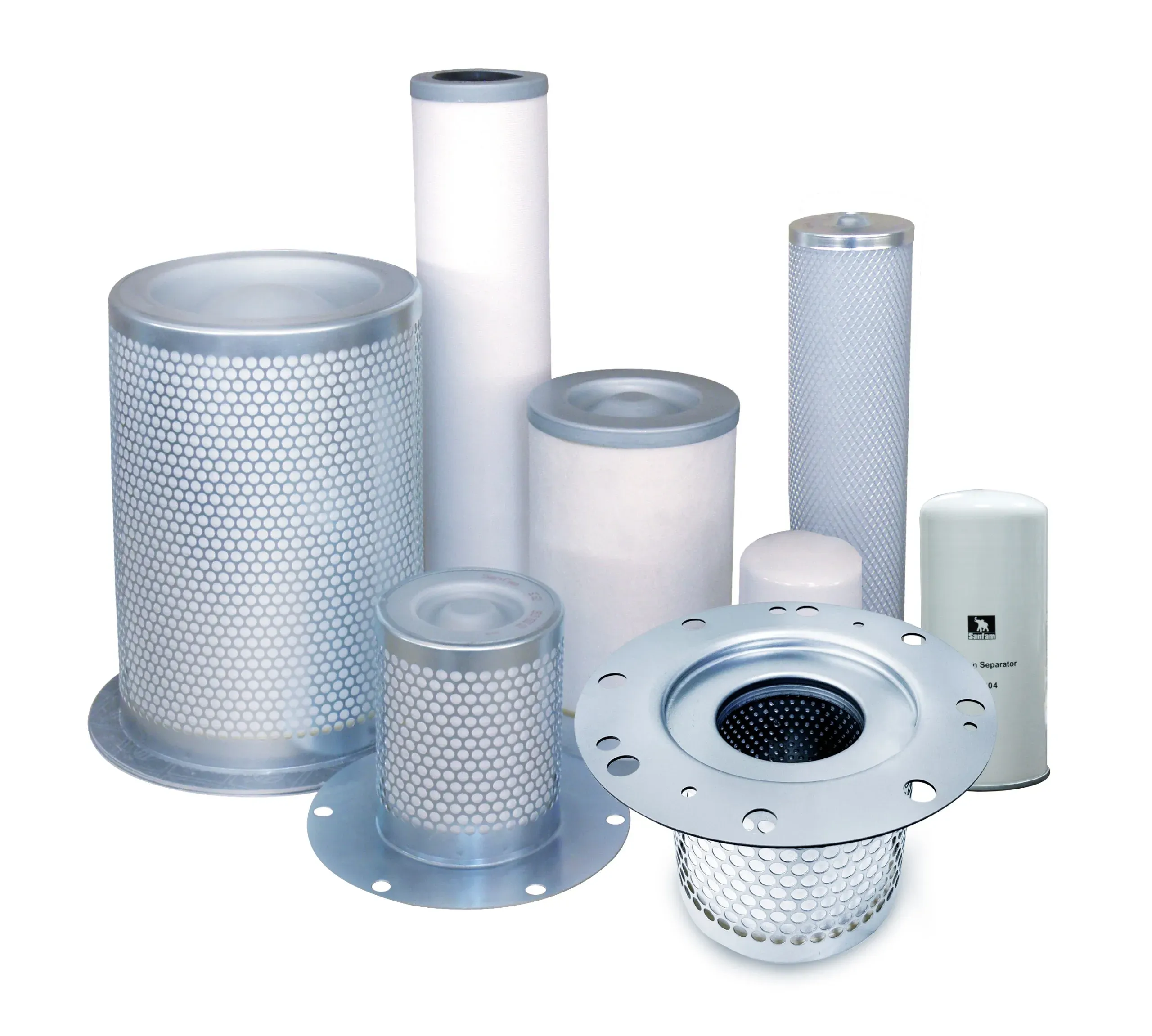
A fleet changes the maintenance problem: not one machine with one kit, but a dozen machines across models, brands and service dates, each consuming parts on its own rhythm. Fleets rarely run out of budget; they run out of the one separator element for the one machine that is due. The fix is organizational — a fleet file and a reorder cycle — and it costs a fraction of a year of emergency freight.
Why fleets get caught out
Three forces work against a fleet buyer. Model variety: different brands and generations in one plant, or across several sites, each with its own parts list and oil volume. Staggered intervals: machines commissioned at different times reach their service dates months apart, so one annual order never matches real demand. And consumption that stays invisible until it is urgent — nobody counts down the hours on an oil filter until the machine announces it.
The result is familiar: one machine down, one part missing, and an airfreight bill for a component that costs less than the shipment.
Build the fleet file first
The fleet file is a table, not a system purchase: one row per machine with model, serial number, location, the consumables it takes — air filter, oil filter, separator, line filter elements, oil volume — plus the service interval and the hours or date of last service. Add the part numbers currently installed; old numbers are the cross-reference a supplier can act on directly.
Half a day of gathering, done once, replaces the recurring scramble of identifying parts from photographs and memory. It is also the only way to see the fleet's real demand pattern instead of reacting to whichever alarm arrived first.
Turn scattered dates into reorder waves
With the file in hand, group machines into reorder waves: the machines due in the same quarter get serviced from one consolidated order. Quarterly waves suit many fleets — large enough to consolidate freight meaningfully, small enough that nothing waits long past its interval. Order one cycle ahead, so the parts arrive before the wave starts rather than during it.
Inside each wave, hold a small buffer of the items your own machines consume at uneven rates — the filters and separators for the units that run hardest. Waves smooth the purchasing; the buffer absorbs the exceptions.
Mixed orders and small quantities are normal
Fleet orders are naturally mixed — three kits for one model, two separators for another, line filter elements for a third — and that is exactly the order profile Keli is set up for. MOQ starts at one piece, trial orders and mixed batches are accepted, and quotations typically return within one working day with packing information included.
The same structure suits sampling: a first order can put one kit on the shelf for a new machine model to verify fitment before a fleet-wide wave is committed.
Let the supplier carry the rhythm
Once the cycle is running, tell the supplier what the rhythm is. Keli prepares consumable stocking against customers' maintenance cycles — the typical repurchase interval sits between three and six months — so a buyer on a quarterly wave is working inside an existing pattern. Orders ship consolidated from Ningbo, close to the port, which keeps mixed fleet orders moving as one shipment rather than several.
A steady rhythm also helps the supplier help you: consumables needed for a known wave can be confirmed and packed in advance, and questions about fitment get resolved between orders rather than inside them.
Coverage across a mixed fleet
A reorder cycle only works if one supplier can cover the models in it. Keli's catalog spans 3000+ standard parts — air filters, oil filters, air-oil separators, line filter elements and service kits — across screw and piston compressors, with fitment checked before quoting and custom parts available for special operating conditions. For models outside the standard list, send the nameplate details; the same fitment-checking process applies to special-condition parts made to order. That breadth is what turns a fleet file from a spreadsheet into a standing order.
Send your fleet list — machine models and old part numbers — to sales@keli-parts.com or WhatsApp +86 15757463901, and set up your first reorder wave with a quote inside one working day.