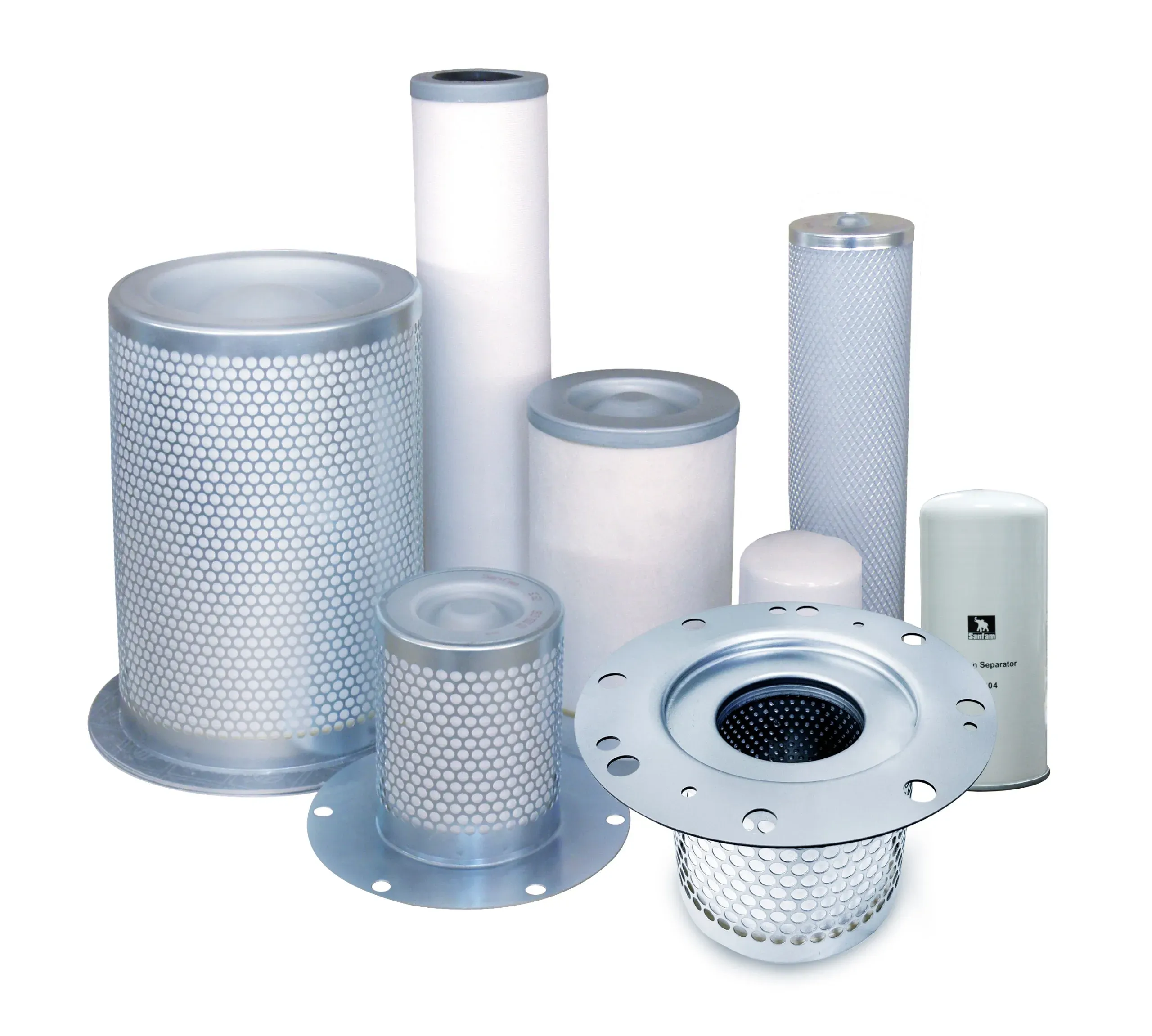
Troubleshooting
How often should compressor oil filters really be changed?
Fixed hour limits do not fit every site. Heat, dust and continuous duty shorten oil filter life — here is how to set an interval that protects your compressor.
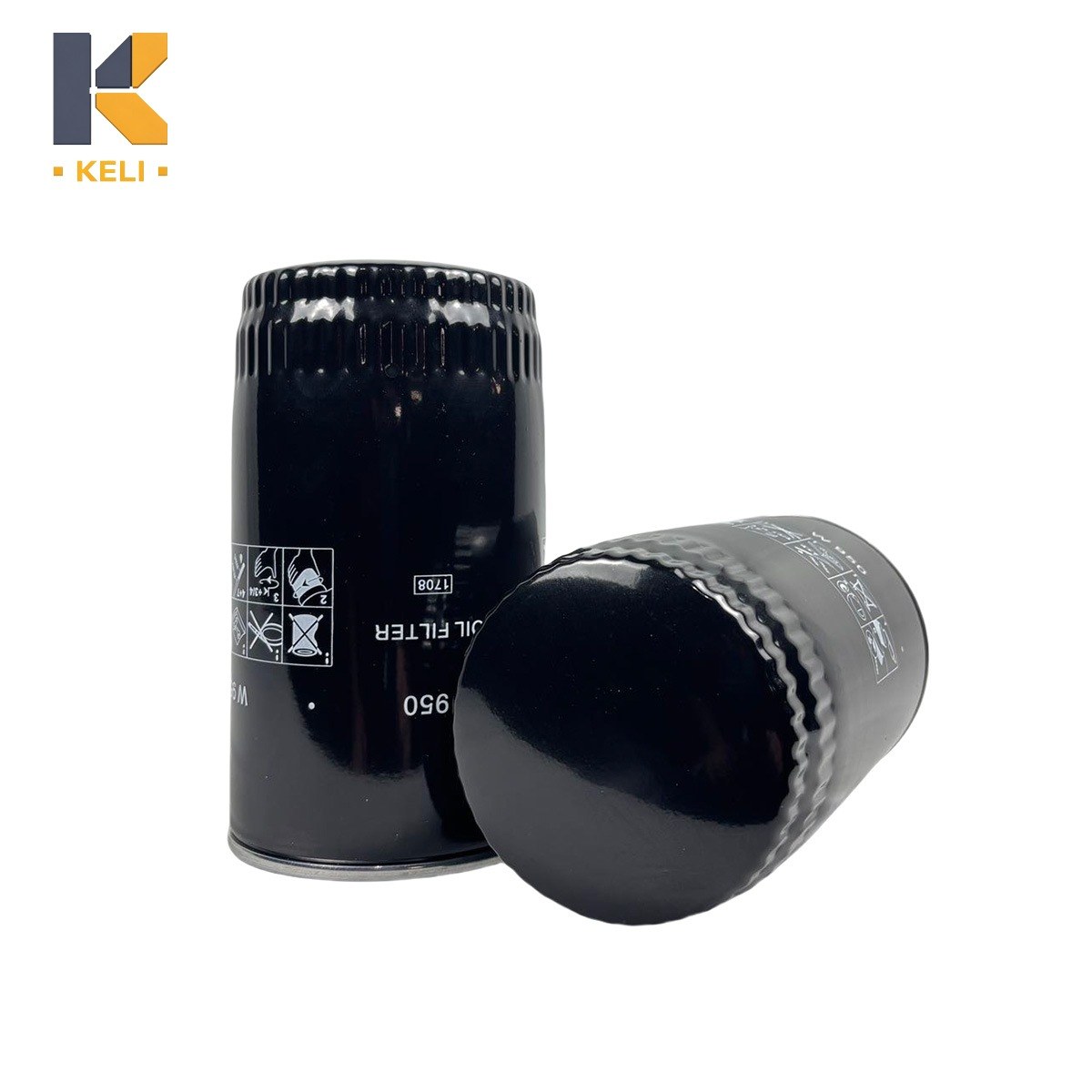
Most maintenance plans inherit their oil filter interval from the compressor manual, and the manual usually gives one number for all conditions. Real plants are not one condition: the same filter that lasts a full service interval in a clean, cool room can load up far earlier in a dusty workshop, next to a furnace, or on a machine that never stops. Setting the interval to your actual conditions is a low-cost way to protect bearings and rotors.
Where the standard interval comes from
OEM service intervals are a baseline, not a verdict. They assume moderate ambient temperature, reasonably clean intake air, rated load profile and the oil grade specified in the manual. When those assumptions hold, the published interval works. When they don't, the filter reaches its dirt-holding capacity early, the pressure drop across it climbs, and the bypass valve takes over the job the media was supposed to do.
Conditions that shorten the interval
Heat is the first accelerator. High ambient or poor ventilation pushes oil temperature up, the oil oxidizes faster, and oxidation sludge loads the filter media in addition to wear particles. Dust is the second: a dusty site loads the air filter, and whatever gets past it ends up in the oil circuit, where the oil filter has to catch it. A blocked cooler makes both problems worse by raising operating temperature further.
Duty profile matters too. A compressor running three shifts sees three times the filtered volume of a single-shift machine in the same calendar period, so hour-based intervals produce very different calendar results. Humid environments add condensate into the oil system, which degrades the oil and its ability to carry contaminants to the filter.
Oil grade and filter interval are linked
The oil and the filter work as a pair. A higher-spec oil with stronger oxidation resistance holds up longer at temperature, which supports longer change intervals overall. But the oil grade does not extend the filter's dirt-holding capacity. If the site conditions fill the media early, clean oil flowing through a loaded filter still ends up in bypass.
When a plant moves to a longer-life oil, the filter interval needs its own review rather than riding along with the oil change. The two numbers should be set separately and confirmed against pressure-drop readings, not against each other.
The cost of running until it clogs
The alternative to a planned interval is reacting to symptoms: an oil pressure warning, a differential pressure indicator, or worse, bearing noise. By the time a clogged filter announces itself, the bypass has usually been open for some hours or the bearings have already been fed unfiltered oil. That converts a scheduled consumable into an unplanned bearing job.
There is also the production side. Filter failures do not respect production schedules, and an emergency stop to swap a filter during a peak week costs more than the part ever will. Planned changes during already scheduled service windows are, in effect, free.
A practical service rhythm for the plant floor
For plants without condition monitoring, a workable approach is to align oil filter replacement with a fixed service rhythm — the 2,000-hour service interval is a common anchor — and to change the oil filter, oil separator and air filter together in one service kit. Shorten the rhythm per machine if the site is hot, dusty, or running around the clock, and track the differential pressure indicator between services.
What matters is that the interval is written down, reviewed against actual conditions once a year, and bought for in advance. A plan that exists only in a technician's memory fails the week that technician is on leave.
Keli-Parts stocks to your service cycle
Keli-Parts supplies oil filters, air filters, oil-air separation elements and service kits for screw and piston compressors, with fitment checked against your machine model and old part before quoting. Because consumables follow a rhythm, we plan supply around your typical reorder cycle — commonly a 3-6-month service interval — so replacement stock is planned against your service dates rather than ordered in a panic.
Minimum order quantity starts at one piece, mixed batches are accepted, and every order carries a 12-month warranty. Quotes usually come back within one working day, which makes it practical to confirm the next service's parts list while the current service is still fresh.
Send your compressor model, current service interval and old filter numbers to sales@keli-parts.com or WhatsApp +86 15757463901 — we will match fitment and quote within one working day.