Industry Insights
How to Cross-Reference Compressor Spare Parts by Part Number
Most complaints about 'wrong parts' are actually part-number mismatches. A short method for cross-referencing compressor spares - what data to send, what to verify, and why supplier answers differ.
In compressor spare parts, the part is rarely 'wrong' - it is the reference that was wrong. Part-number accuracy decides whether your order fits on the first attempt, and it is a pain point distributors bring up again and again when they switch suppliers.
Why part numbers matter more than product photos
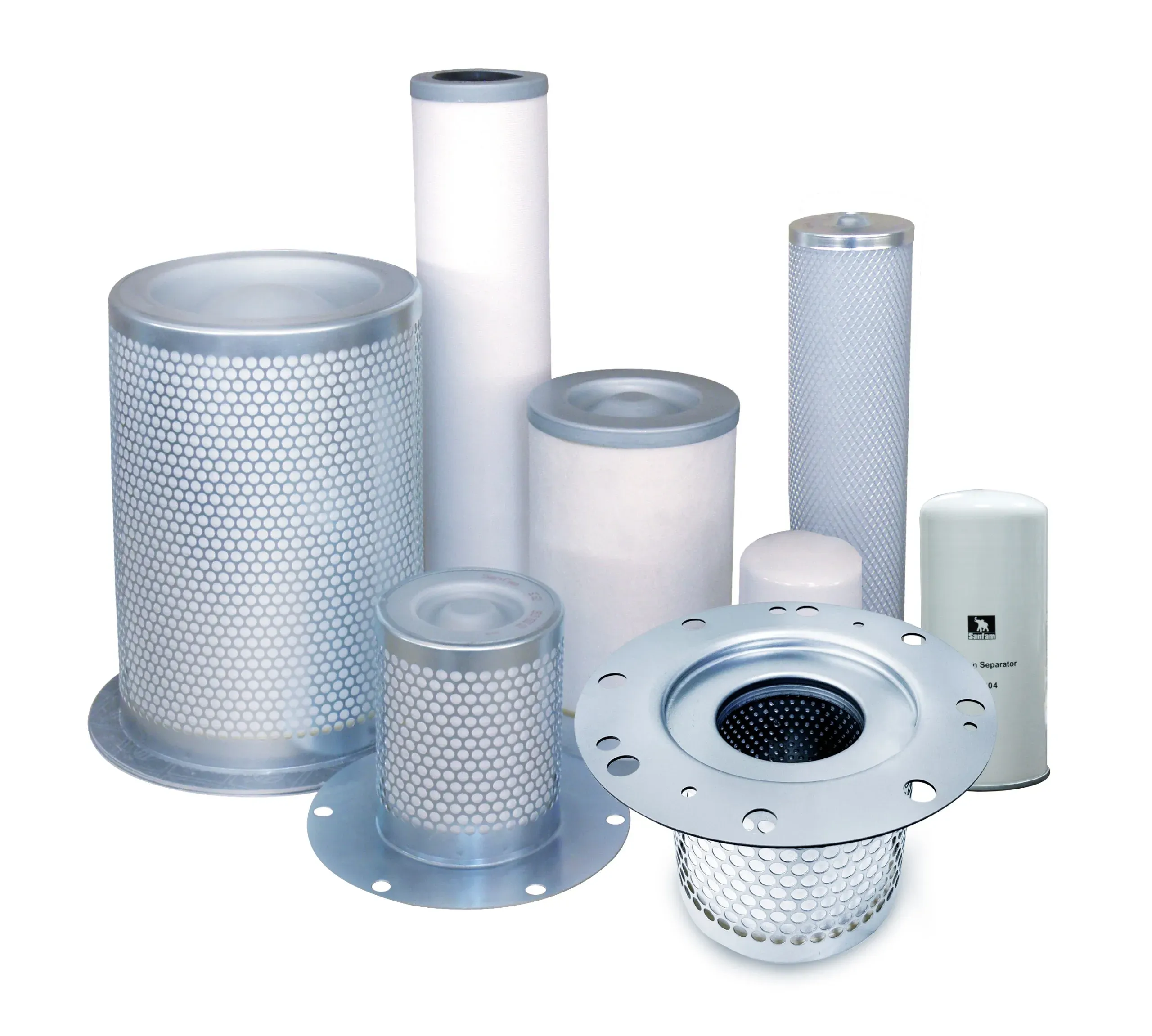
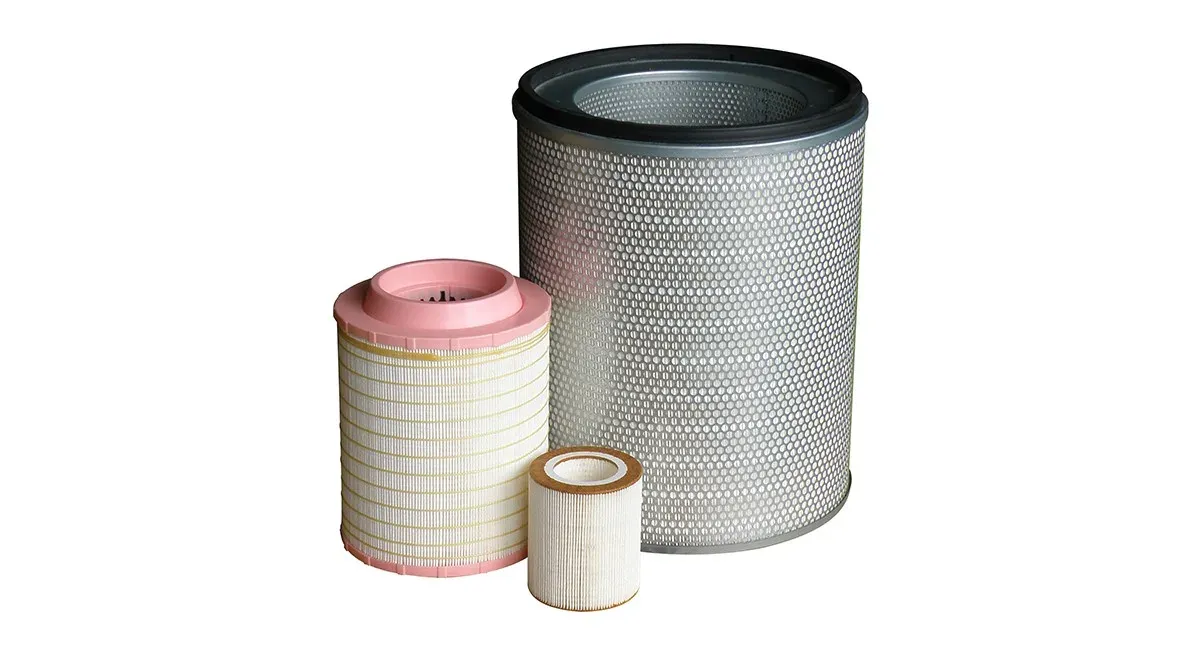
One spin-on oil filter reference can cover several different thread and bypass-valve combinations. Two separators that look identical can differ by 2 cm in height - enough to make one unusable. Photos cannot carry that information; part numbers and dimensions can.
The data to send with every inquiry
Three lines of data prevent most mismatches: the compressor brand and model, the nameplate data, and the part number from the old part or the manual. For filters and separators, add the measured dimensions - height, outer diameter, thread - and a photo of the nameplate.
What a responsible supplier checks before quoting
Thread size and bypass valve pressure on spin-on oil filters. Height and seating tolerances on separator elements. Opening pressure range on minimum pressure valves - commonly 3.5-4.5 bar, set per model. If a supplier quotes you without asking for these, expect a fitting problem.
A note on 'compatible' references
Cross references like 1613610500 describe functional compatibility, not identity. That is normal in the parts trade - what matters is that the supplier states exactly which original reference their part replaces and which dimensions it must match. Keep your own cross-reference sheet per compressor; it becomes the most valuable document in your maintenance folder.