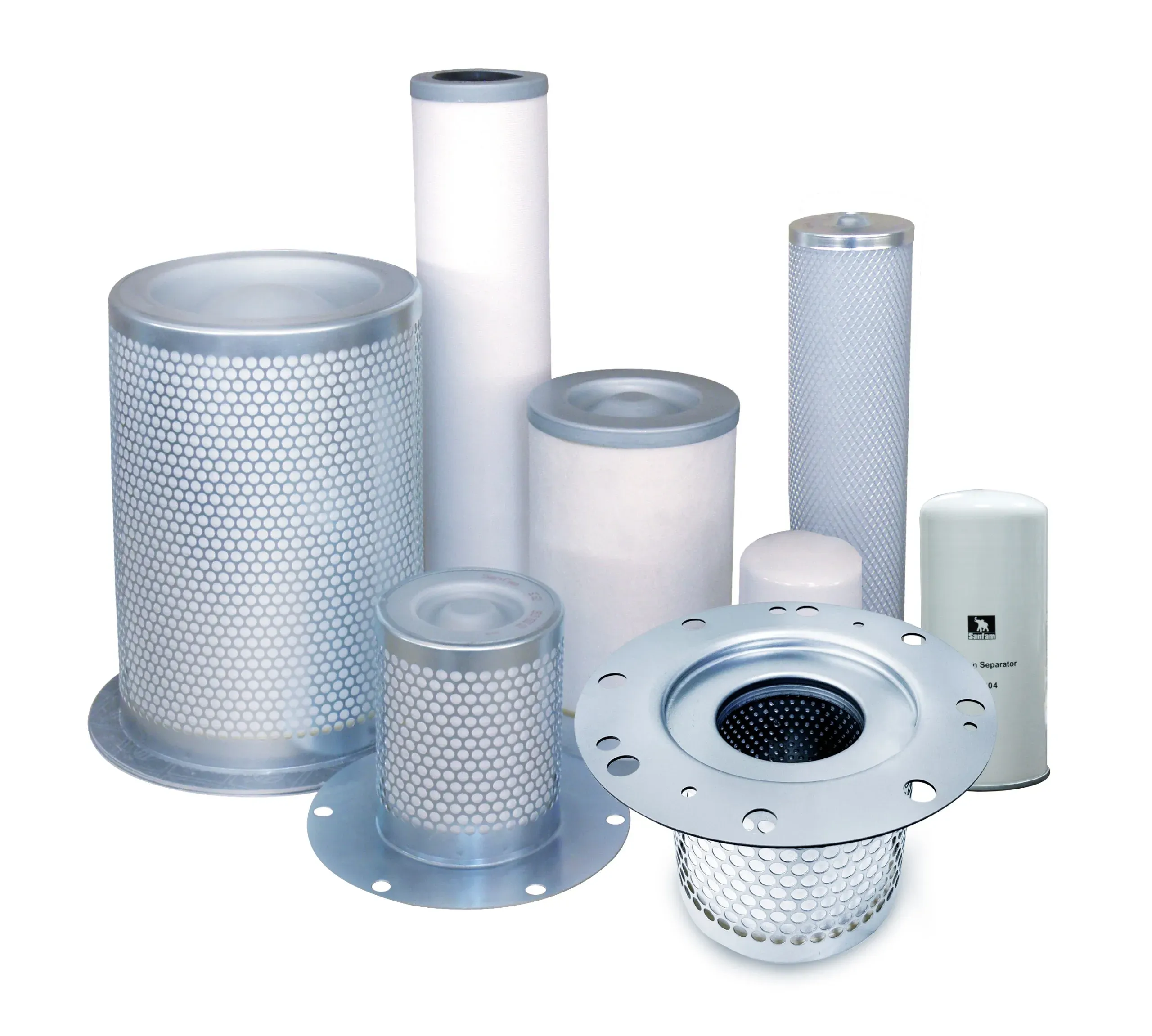
Troubleshooting
Oil filter bypass valve: the silent killer of compressor bearings
A mismatched oil filter bypass valve sends unfiltered oil straight to compressor bearings. Learn how opening pressure, threads and seals decide fitment.
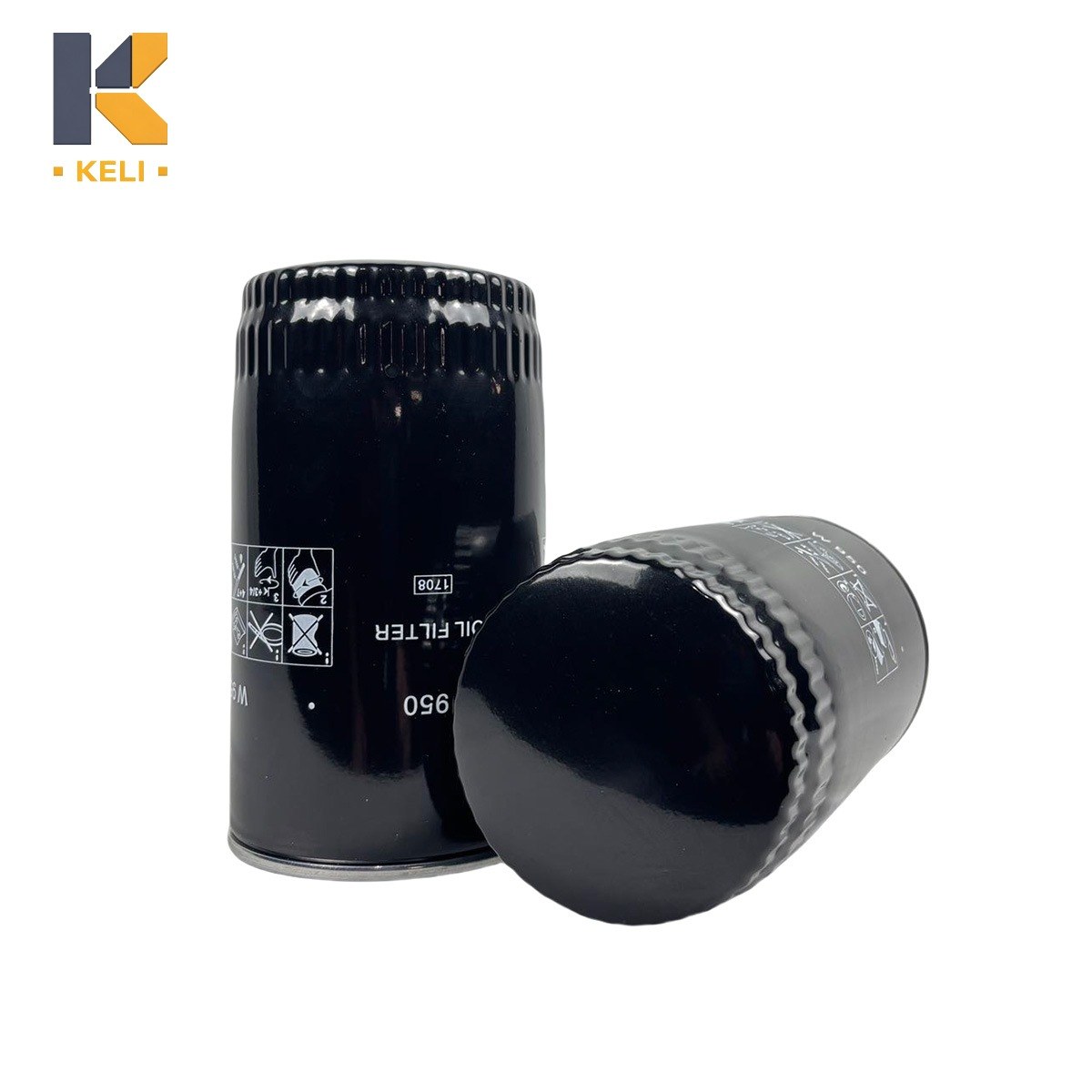
When a screw compressor starts throwing bearing wear metals long before its overhaul point, the oil filter is one of the first parts managers replace — and one of the last they inspect closely. The problem is rarely the filter media itself. It is the small bypass valve inside the filter, and whether its opening pressure matches your machine.
What the bypass valve actually does
An oil filter bypass valve is a spring-loaded relief path built into the filter. When oil is cold and thick, or when the element loads up with contaminants, the pressure difference across the element rises. If it rises above the valve's set point, the valve opens and lets oil flow past the element instead of through it. That protects the element from collapsing and keeps oil moving to the rotors and bearings during cold starts.
The design intent is protection, not filtration. Every hour the bypass is open, part of the oil reaching your bearings is unfiltered. In normal operation the valve should stay closed. The entire protection logic depends on the valve opening at the pressure the compressor manufacturer specified — no lower, no higher.
When the opening pressure does not match
If a replacement filter's bypass valve opens at a lower pressure than the original, it starts venting during normal running — on cold mornings, at high load, or simply as the element ages. Unfiltered oil, carrying wear debris from bearings and rotors, then circulates straight back through the oil system. The filter looks fine from the outside; the damage shows up as accelerated bearing wear and, on some machines, fouled oil separators.
Bearings and rotors run on clearances measured in fractions of a millimeter. Particles that slip through an open bypass do not pass through politely — they embed in surfaces and cut into those clearances with every pass. If the valve instead opens too late, a heavily loaded element can deform or collapse and oil flow to the bearings drops. Either mismatch ends the same way: shortened component life that nobody can trace back to a filter bought months earlier.
Why bypass pressure is set per machine model
Opening pressure is not a universal standard. Compressor manufacturers set it around the oil pump's delivery pressure, the viscosity of the specified oil, the expected pressure drop of a fresh element, and the strength of the filter housing. Two filters with the same thread, the same diameter and the same height can carry bypass springs with different set points.
This is why a filter that physically screws on is not automatically a functional replacement. Oil filter fitment has three layers: mechanical fit (thread, seal and dimensions), hydraulic fit (flow and pressure drop), and relief fit (bypass opening pressure). A mismatch at any layer shows up months later as an oil system problem.
The risk of 'looks the same' replacements
A common procurement shortcut is visual matching: pull the old filter, compare diameter and thread, order the closest-looking part. That works until it doesn't. Aftermarket ranges include lookalikes with different bypass settings, different anti-drain valves and gaskets that seal differently. A part number cross-reference without a physical check of the valve specification is where silent damage begins.
For equipment managers the practical rule is simple: treat the bypass valve specification as part of the part number. If a supplier cannot state the opening pressure for the filter they are quoting, they are selling you a can, not a matched oil system component.
How Keli-Parts checks fitment before quoting
Keli-Parts supplies oil filters for screw and piston compressors from a catalog of over 3,000 standard parts, and we quote only after fitment is checked. Before pricing, we verify the thread, the bypass valve opening pressure and the sealing surface dimensions against your machine model. Send us the compressor model plus the number printed on the old filter — or photos of the old part and its markings — and we confirm the match in writing before you commit.
Every order carries a 12-month warranty, the minimum order quantity starts at one piece for sample-friendly trial orders, and mixed batches are accepted. Replies usually come back within one working day. That is the difference between buying a filter and buying a matched oil system component.
Send your compressor model and old filter part number to sales@keli-parts.com or WhatsApp +86 15757463901 — we check bypass pressure, thread and seal fitment first and quote within one working day.