Troubleshooting
Planned maintenance vs breakdown: the parts-desk view of downtime cost
Breakdowns cost more than parts: lost output, expedited freight, idle staff. Plan 2000-hour kits ahead. Keli-Parts quotes and stocks to your maintenance cycle.
Purchasing teams rarely put a number on the difference between planned maintenance and breakdown response, but the difference shows up in three places anyway: the production log, the freight invoice and the overtime sheet. A compressor never fails at a convenient moment, and the timing is what makes breakdown buying expensive. The alternative — a service rhythm with parts already ordered — costs less effort than most plants expect.
What a breakdown actually costs
The part is usually the smallest line item. Production stops when compressed air stops: lines idle, and processes sensitive to pressure lose batches. Staff stand around equipment that cannot run. Then comes freight — when the machine is down, the part becomes urgent, and urgent means air shipment, weekend delivery, or both, for a component that would have moved by sea inside a planned order.
These costs rarely appear under maintenance in the accounts. They surface as missed output, as premium freight booked by the production planner, and as the hours your own people spend chasing a part instead of running the plant. That is why the comparison has to be made deliberately, line by line, rather than assumed.
Small parts, large shutdowns
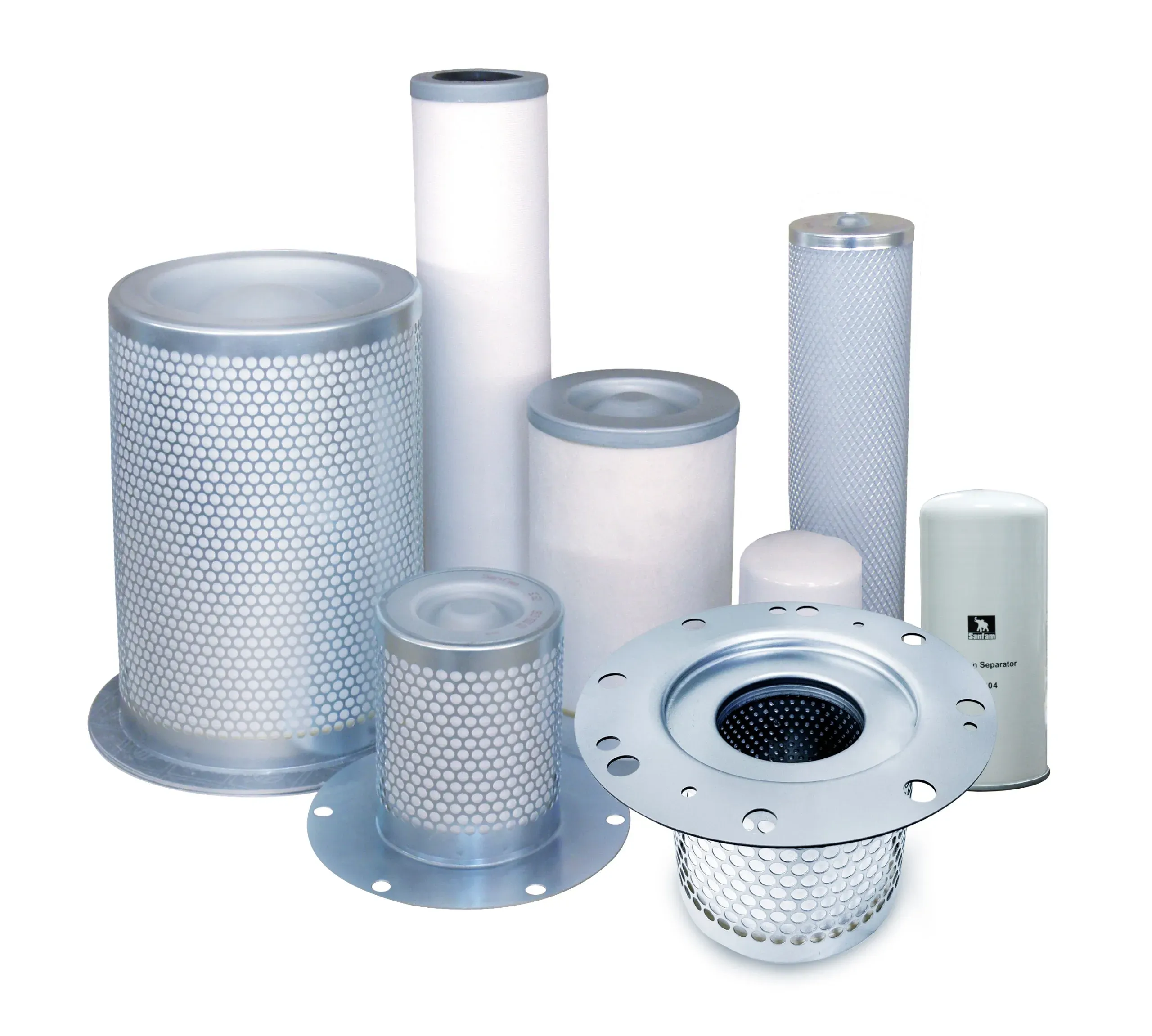
None of the parts that trigger this are expensive. A separator element, an oil filter, an air filter — modest-ticket items whose absence can idle a machine worth many times their price. That asymmetry is the practical argument for holding a kit on your own shelf: the cost of one spare kit is small next to a single unplanned shutdown, and the shelf space it asks for is modest.
Why breakdown buying always pays more
Breakdown purchases compress every decision. There is no time to confirm fitment, compare options, or consolidate the order with other parts the machine will need anyway; the purchase order is written under pressure and the shipping method is chosen by the clock. Fitment details — thread, bypass valve opening pressure, sealing surface dimensions — get checked in a hurry or not at all, which is how a rushed order becomes a part that does not fit.
Urgent shipments also travel alone. A planned order consolidates several machines' consumables into one carton; a breakdown shipment pays for one kit to fly by itself.
The 2000-hour rhythm, used as a planning tool
The same 2000-hour interval that defines the kit also defines when to buy it. On single-shift duty a screw compressor reaches the interval about once a year; multi-shift plants get there two or three times as fast. Either way, the date is visible months in advance, which turns the kit order into a calendar item instead of an emergency.
Planned buying also restores the decisions that breakdown buying strips out: time to send old part numbers and confirm fitment before the order is placed, standard freight instead of air, and consolidation with the line filter elements and other consumables that are due around the same date.
Moving the desk from reactive to cyclical
The practical shift is one habit: at each service, order the next kit. That single step converts the parts desk from reacting to failures to running a cycle, and it is how the typical 3-6 month repurchase rhythm for consumables takes shape — your maintenance calendar matched to a supplier who stocks against it.
A simple register makes the cycle visible: machine model, kit contents, last service date or hours, and the date the next kit should be ordered. Once the register exists, the annual parts budget stops being a guess, and the same register scales across a whole fleet.
How Keli-Parts supports planned buying
Keli stocks consumables against customers' maintenance cycles, accepts trial orders and mixed batches, and starts at an MOQ of one piece — so ordering one kit ahead is a normal transaction, not a special favor. Quotations typically return within one working day and include packing information; fitment is checked before quoting, and parts carry a 12-month warranty. With 3000+ standard items for screw and piston compressors, one supplier can follow the whole fleet's cycle.
Send your service list and old part numbers to sales@keli-parts.com or WhatsApp +86 15757463901, and price the kits for your next maintenance cycle within one working day.