Troubleshooting
PM VSD vs fixed speed: the energy math buyers should run first
PM VSD or fixed speed? Run the load, tariff and hours math first. Keli-Parts quotes both screw compressor types against your site data in 1 working day.
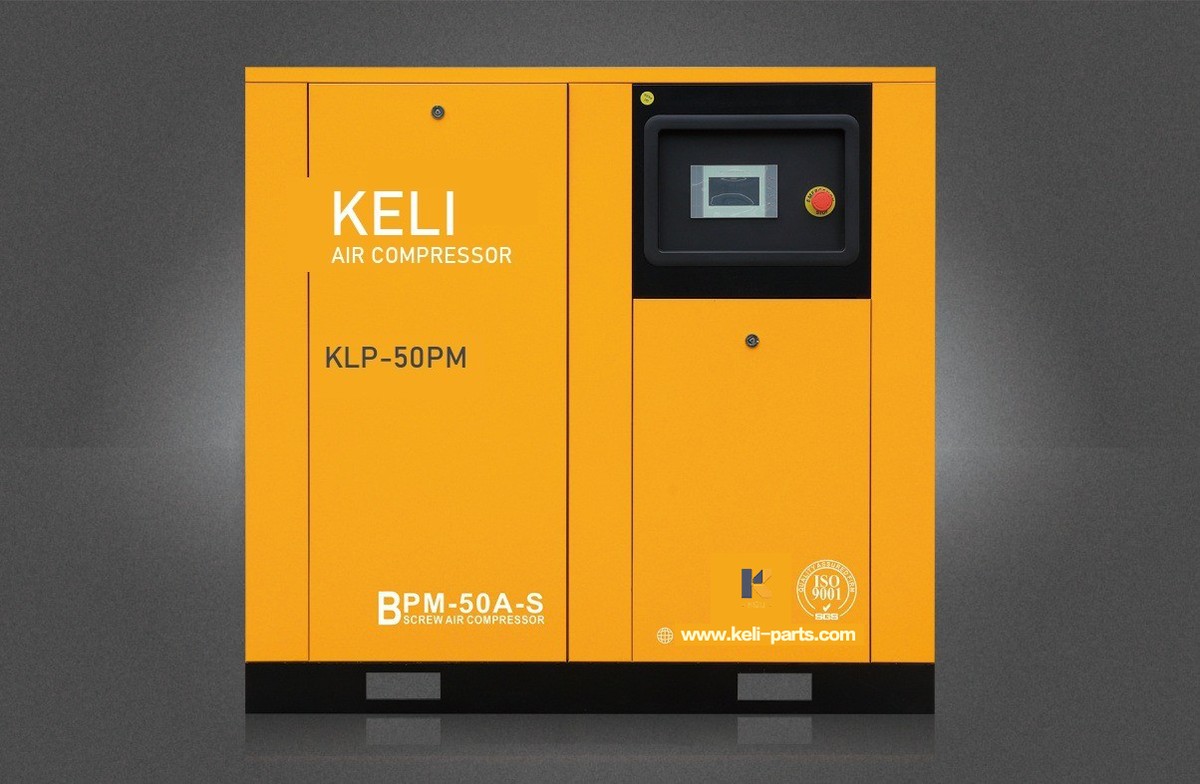
Two quotes land on the same desk: one fixed speed, one PM VSD, and the VSD option carries a noticeably higher price. Choosing between them is not a matter of preference; it is arithmetic that depends on your load profile, your electricity price and your running hours. Those are the numbers a buyer should settle before signing either purchase order.
The two machines solve different problems
A fixed-speed screw compressor runs its motor at one speed. When demand drops below full output, it loads and unloads: producing air at full power, then idling with the inlet closed until receiver pressure falls back. A PM VSD (permanent magnet variable speed drive) compressor instead slows the motor to match the actual air demand, which is why Keli describes its PM VSD units as quieter and more economical at partial load.
Neither behavior is better in the abstract. The useful question is what your air demand looks like across a normal week, because that determines how much of the time either machine would spend in its efficient zone.
Start with the load profile
The number that matters first is how much of the day the compressor spends below full load. A workshop that ramps up in the morning, drops at lunch and idles in the afternoon has a different profile from a plant running a steady baseline around the clock. Without a data logger, a workable picture comes from the machine you already own: how often it unloads, how long the unload periods last, and how receiver pressure cycles across a shift.
As a working rule, the more hours a machine spends at partial load, the more a VSD has to save. Stable, near-continuous full load is exactly the condition where speed control has the least to offer.
The three numbers to run before comparing quotes
First, energy consumption: rated power multiplied by annual running hours, adjusted for average load, gives the energy base for each option. Second, your electricity price per kilowatt-hour, which converts consumption into money and usually dominates the lifetime cost of the machine. Third, the price difference between the two quotations, which is the investment a VSD has to recover.
In plain terms: annual energy cost equals average load share, times rated power, times annual hours, times your tariff. Run that for both machine types against your real profile, then compare the gap in energy cost against the gap in purchase price. The period it takes the first to repay the second is the number your finance team will ask for.
Where PM VSD earns its price premium
Fluctuating demand is the VSD's home ground: multi-shift plants with breaks, workshops where consumption builds through the day, sites with night or weekend demand that a fixed-speed machine would cover by unloading for hours. Keli's published figure for its PM VSD range is energy savings of up to 40% versus fixed speed, with the actual result depending on how much of your profile sits at partial load. Partial-load running is also quieter, which matters when the machine room shares a wall with production or offices.
Treat the 40% as a ceiling, not a default. A plant already running near full load will see a fraction of it; a plant cycling between low and medium load all day is the case the technology was built for. That is why the load profile comes first in the math, before any brochure.
Where fixed speed stays the rational choice
If the machine runs close to full load for most of its hours — a steady baseline process, for instance — a fixed-speed unit avoids paying for speed control it would rarely use, and its lower initial price frees budget for a second machine or spare capacity. Many plants land on a hybrid arrangement: a fixed-speed machine carrying the base load while a VSD unit trims the peaks. The point for a buyer is that the answer can legitimately go either way once real numbers are on the table.
How Keli-Parts runs the comparison with you
Keli manufactures screw compressors in fixed-speed and PM VSD versions across a 7.5-132 kW range, plus all-in-one units with built-in receivers and dryers. Send three items of site data — air consumption in m3/min, working pressure, and the power supply available on site — and the quotation comes back configured to your conditions, typically within one working day, with packing information included.
Every unit ships with Keli's own air filter, oil filter, air-oil separator and service kit already installed, under a 12-month warranty, so the machine and its first service cycle start from the same parts desk that will supply your consumables afterward.
Send your air consumption (m3/min), working pressure and site power supply to sales@keli-parts.com or WhatsApp +86 15757463901 for a side-by-side fixed-speed and PM VSD quotation within one working day.