Troubleshooting
Why Your Screw Compressor Discharges Low Pressure: 4 Causes to Check First
Low discharge pressure is one of the most common screw compressor faults. Work through these four causes - filter blockage, leaks, intake valve, and sensor signals - before touching the machine.
When a screw compressor will not hold its set pressure, production lines feel it within hours. The good news: most low-pressure complaints trace back to four causes you can check in order, without disassembling anything.
1. Clogged air filter element
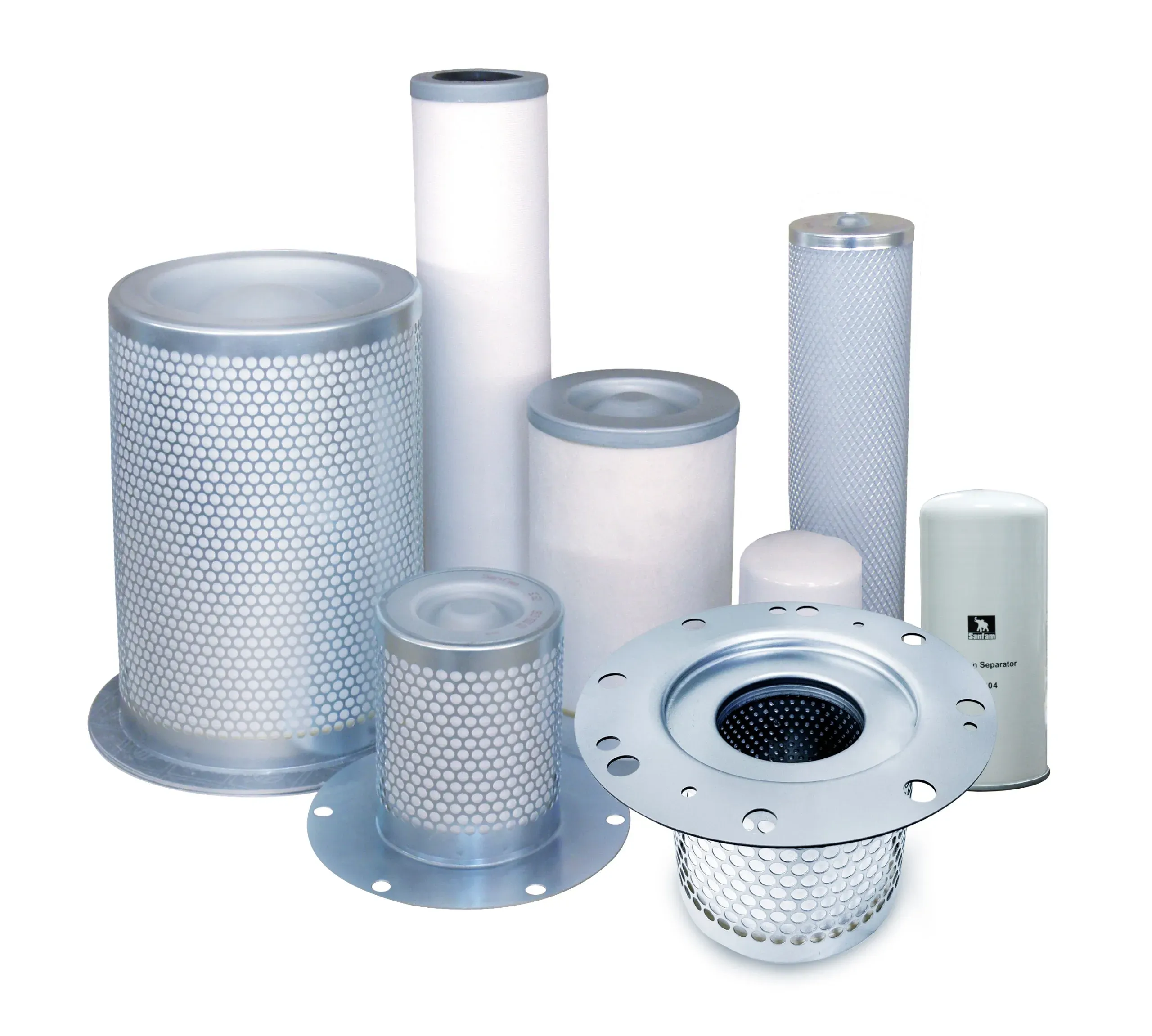
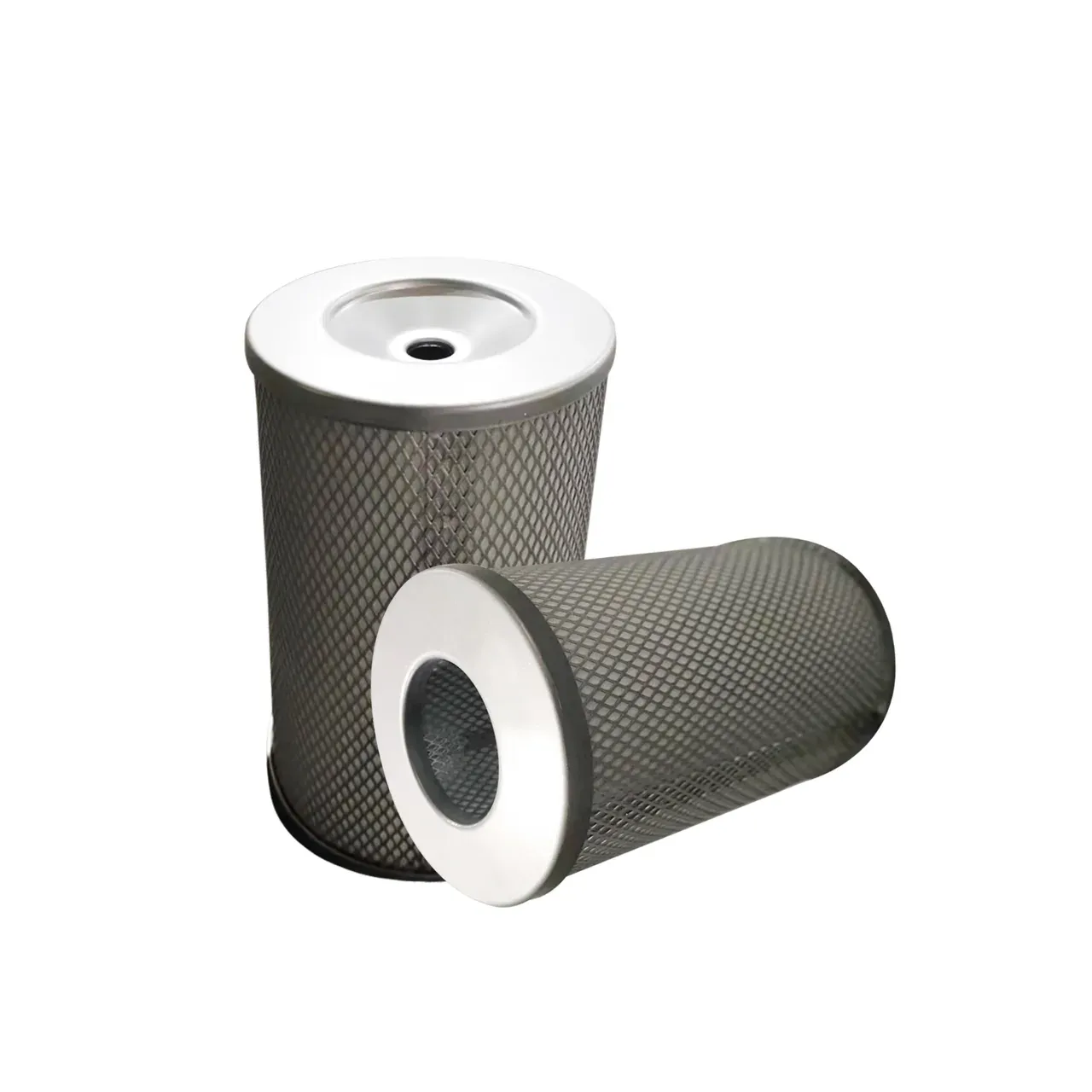
A blocked intake filter starves the airend of air. This is the first and cheapest thing to check. In dusty environments - quarrying, construction and textile workshops - the filter can load up well before the scheduled interval, so judge by pressure drop across the filter, not just by the calendar.
2. Leaks in the pipe network
Hidden leaks in piping and fittings bleed off exactly the air you are paying to compress. Soap water on joints is a reliable shop-floor method. If several machines run in parallel, also check that their pressure band settings do not overlap and fight each other.
3. Intake valve not fully open
If the intake valve does not travel fully open, the compressor unloads early and capacity drops. Inspect the valve action and its control signal before assuming the machine itself is failing.
4. False sensor signals
Finally, verify the reading itself. Connect an independent pressure gauge next to the transducer: if the two disagree, the sensor - not the compressor - is the fault. A worn pressure transducer sends the controller wrong data and triggers unnecessary shutdowns.
Buyer tip
Keep one spare air filter element and one pressure transducer on the shelf. Both are low-cost parts that fail often and stop production hard. When ordering replacements, send the compressor model and nameplate data so the parts match the first time.