Troubleshooting
Separator pressure differential: when to change it and what it costs you
Rising separator differential pressure means higher energy bills and oil carry-over risk. Learn common change thresholds and how to verify a replacement.
The differential pressure gauge on the separator tank often gets ignored between services. It tells you how much restriction the separator element has built up, and it moves long before oil carry-over or high oil consumption becomes obvious. Knowing how to read it turns separator replacement from a guess into a scheduled decision.
What the differential pressure reading actually measures
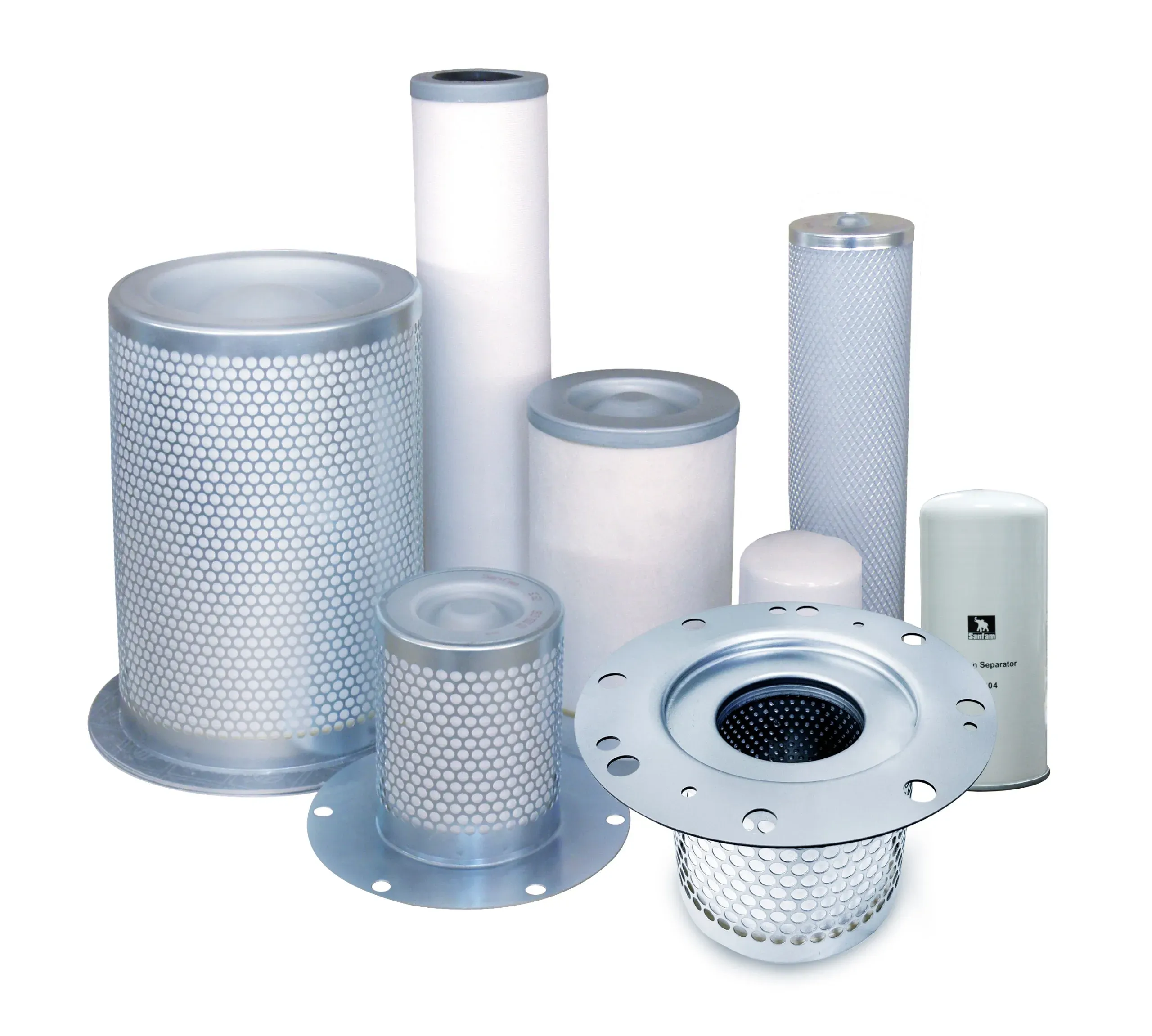
Inside the separator tank, oil-laden air from the airend passes through the separator element, where oil droplets coalesce and drain back to the sump while clean air exits to the aftercooler. The gauge compares pressure upstream and downstream of that element. A new element presents a small resistance; as it collects oil and fine contamination over months of service, the restriction grows and the reading climbs.
Some rise is normal and expected. The question is not whether the reading moves, but how fast it moves and when it crosses the point where replacement makes more economic sense than running on.
The first cost: energy you pay for every hour
The compressor has to push air through that restriction, and the electricity to do it appears on your bill every hour the machine runs. A loaded separator forces the whole pressure system to operate higher to deliver the same working pressure downstream. Unlike a one-time part cost, this penalty repeats on every shift, which is why a heavily loaded element can cost more in energy than the price of a replacement.
This is also why waiting for carry-over symptoms before changing the element gets the economics backwards. By the time oil reaches the air line, you have been paying the energy penalty for months.
Common change thresholds and how to use them
Many maintenance schedules use roughly 1 bar of differential pressure, about 14.5 psi, as the reference point for replacing the separator element, and the manual for your machine is the authority to follow. The trend matters as much as the threshold: a reading that climbs steadily toward the limit is a normal aging pattern, while a sudden jump deserves immediate investigation, because it can point to a fault other than normal loading.
Log the reading at every service interval, next to the running hours and the oil added. Three or four data points are usually enough to see the slope and predict the next change instead of reacting to it.
The second cost: oil carry-over when the element is past its limit
Past its design limit, the element stops separating cleanly. Oil is pushed through the media faster than it can coalesce and drain, and it starts leaving the tank as aerosol in the air line. That is the point where rising differential pressure turns into visible oil consumption, oily condensate, and contamination reaching your dryers, filters, and production equipment.
So the gauge protects two budgets at once: the electricity bill and the downstream maintenance budget. Replacing the element near the threshold is cheaper than either consequence.
Keep in mind that differential pressure interacts with oil condition as well. Varnished or oxidized oil blinds the media faster, so a machine with overdue oil changes will show a steeper slope than the same machine on a fresh charge. If the reading climbs much faster than your log suggests it should, check when the oil was last changed before you blame the element.
What to verify when you order the replacement
A separator ordered on appearance alone is how differential pressure problems start in the first place, because an element with the wrong thread, the wrong sealing face, or a bypass valve set to a different opening pressure will not restore the system to spec. When we quote a separator, we verify the thread, the bypass valve opening pressure, and the sealing surface dimensions against your machine model and old part number before the quote leaves, so what arrives installs and performs as intended.
We also quote separators with their verifiable parameters stated, such as residual oil content in ppm and differential pressure characteristics, so you can compare offers on numbers rather than on photos. Quotes normally arrive within one working day, packing information included.
Email the compressor model and old separator part number to sales@keli-parts.com or message WhatsApp +86 15757463901, and we will verify fitment first and quote within one working day.