Troubleshooting
Spin-on vs cartridge oil filters: avoiding thread and gasket mismatches
Spin-on and cartridge oil filters fail in different ways. Use this checklist for threads, gaskets and O-rings before you order replacement compressor filters.
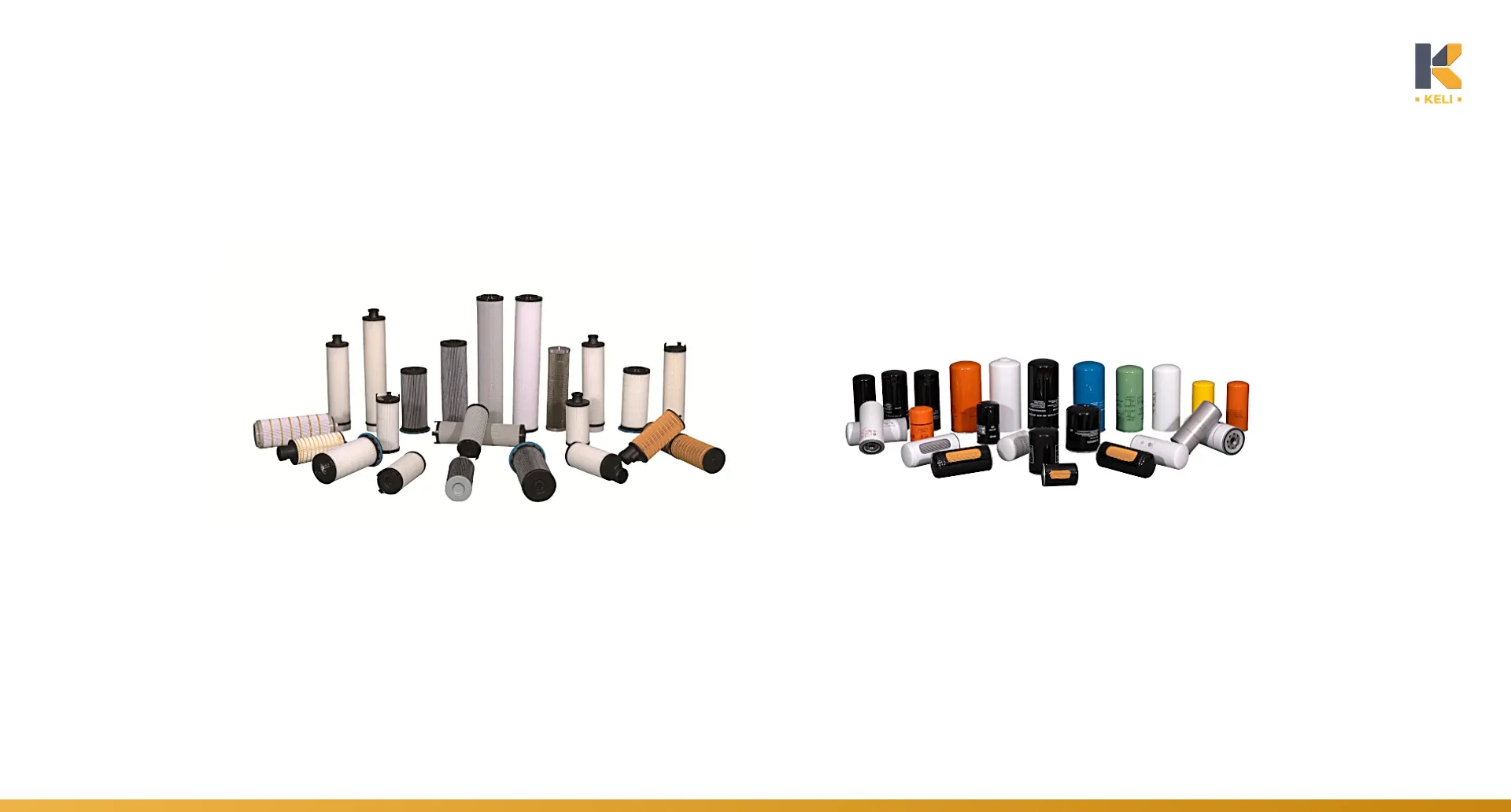
Screw compressors use two families of oil filters: spin-on canisters that thread onto the housing, and cartridge elements that drop into a permanent cover. Buyers who treat them as interchangeable run into the classic symptoms — oil leaks at the gasket, filters that will not thread in, or elements that seat crooked and bypass. Most of these failures trace back to dimensions nobody checked before ordering.
Two structures, two sets of mistakes
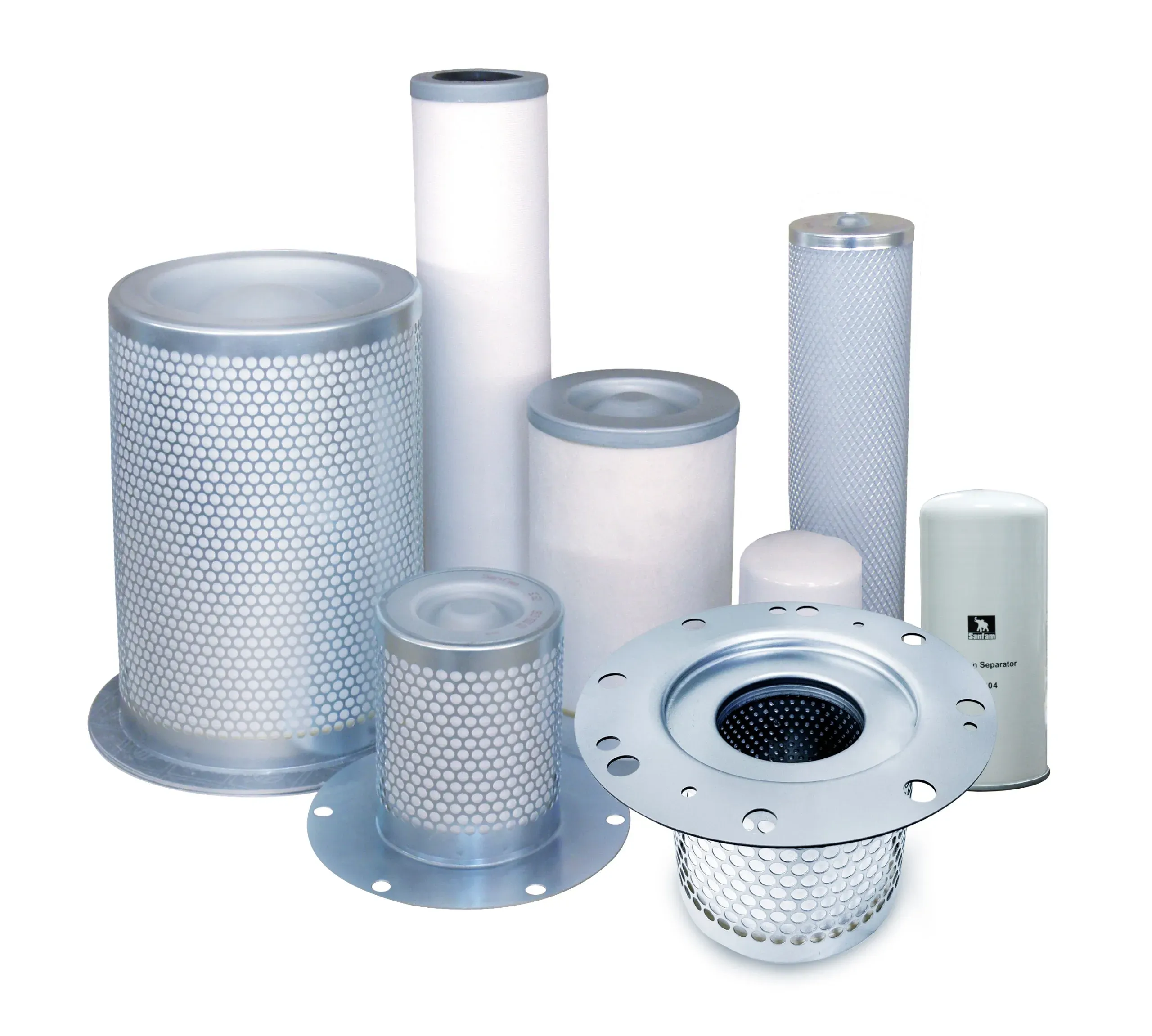
A spin-on filter is a complete sealed unit: media, bypass valve and gasket inside one canister that screws onto a threaded hub. A cartridge filter is only the element; it fits inside a reusable housing and seals through O-rings at the top, bottom or both. The spin-on carries its sealing surface and thread in one part, while the cartridge depends on the condition of the housing cover, the O-rings and the seating bore.
Because the failure points differ, the checking logic differs too. A spin-on is judged mostly by thread specification, gasket diameter and canister dimensions. A cartridge is judged by height, outer diameter, end-cap design and O-ring sizes. Ordering one type with the checklist of the other is a frequent source of wrong deliveries.
Spin-on: thread, gasket and rotation details
Spin-on threads vary in diameter, pitch and direction, and compressors use several thread families across brands and model years. The gasket adds a second variable: its outer diameter and cross-section must land on the sealing face of the housing, not hang over the edge or sit inside it. A gasket a few millimeters off will seal a new installation and weep later under heat cycles.
Installation details matter as well. Some housings mount the filter at an angle or close to frame members, so the direction the canister turns to tighten and its finished position both affect whether the filter can be installed and serviced without removing panels. None of this appears in a catalog photo; it appears when a technician is holding the new filter next to the machine.
Cartridge: height, O-rings and seating
Cartridge mismatches are less visible because nothing threads. The element's height and outer diameter must match the housing cavity so the element cannot shift or let oil skip the media. End caps differ in material and opening pattern, and the center hole must line up with the housing's support tube.
The O-rings cause plenty of service problems. Housings use different O-ring sizes at the cover, at the element ends or both, and many replacement elements ship without them. Reusing a hardened O-ring, or fitting one size next to another, produces slow weeps that look like gasket defects but are really a kit content problem. Before ordering, confirm whether O-rings are included and note their dimensions.
Why wrong shipments keep happening
One frequent cause of wrong deliveries is ordering strictly by part number. Numbers get copied from old purchase orders, cross-reference lists or a label that has been repainted, and some manufacturers reuse similar numbers across series. Nobody opens the box and compares the new filter with the old part until it reaches the maintenance team — sometimes not until it reaches the machine.
The fix is a two-sided check: the physical parameters of the old part and the identity of the machine. A thread gauge reading, a gasket diameter measured with a caliper and a clear photo of the old filter's label catch these mismatches before goods leave the supplier.
A pre-order checklist for buyers
Before requesting a quote, collect the following: compressor brand, model and serial number; the part number on the old filter or in the manual; thread specification if it is a spin-on (measure or photograph the hub); gasket or O-ring diameters; element height and outer diameter if it is a cartridge; and two or three photos of the old part from different angles, including the label.
This takes a maintenance technician ten minutes and removes a large share of the risk in filter purchasing. It also lets a supplier confirm fitment in writing instead of guessing from a number alone.
How Keli-Parts verifies before quoting
Keli-Parts handles spin-on and cartridge oil filters for screw and piston compressors within a catalog of over 3,000 standard parts. We quote only after checking fitment two ways: the parameters of your old part and the identity of your machine. Thread, bypass valve opening pressure and sealing surface dimensions are verified before a price is issued, and quotes usually come back within one working day.
Minimum order quantity starts at one piece, so you can validate a sample on one machine before committing to a fleet, and trial orders and mixed batches are accepted. Every order is covered by a 12-month warranty. For consumables you run on a regular service cycle, we can stock against your typical 3-6 month reorder rhythm.
Email your compressor model, old filter number and photos to sales@keli-parts.com or WhatsApp +86 15757463901 — we verify thread and gasket fitment before quoting and reply within one working day.