Troubleshooting
Water in your air line: dryers, filters and where the setup usually goes wrong
Water in compressed air rusts valves and ruins paint work. Walk the chain from aftercooler to line filters and find where your setup lets moisture through.
Water at the air tool, in the paint booth or inside a control valve is rarely a dryer problem alone. Moisture removal is a chain — aftercooler, tank drainage, dryer, then line filtration — and each stage hands the next one cleaner, cooler air, while one weak stage undoes the ones before it. Diagnosing wet air means walking that chain in order.
Where the water comes from
Atmospheric air always carries moisture, and compression concentrates it: a compressor drawing in room air sends that water vapor downstream at a much higher concentration. Hot compressed air holds the vapor easily, but as the air cools in the aftercooler, the receiver and the piping, vapor condenses into liquid water. The amount of water a system has to remove is set by the weather it breathes, not by the brand of equipment installed.
Stage one: aftercooler and tank drainage
The aftercooler does the first big condensation job, and the receiver tank collects what drops out. This only works while the drain works. A failed automatic drain — stuck, clogged with sludge, or disconnected by someone tired of it leaking — quietly turns the tank into a water reservoir. Every surge of demand then carries a slug of accumulated water straight into the dryer and the line, which is why wet air complaints often spike on high-demand days.
A manual drain that only gets opened once a week has the same effect on single-shift plants. Check drains on a schedule, verify that discharge actually happens, and treat a drain repair as an urgent line item rather than a housekeeping task.
Stage two: dryer capacity and condition
The dryer takes over where cooling ends, drying air down to its pressure dew point. The classic mismatch here is capacity: a dryer sized for the compressor nameplate flow will struggle once the plant adds machines, increases shifts or simply runs hotter in summer. Refrigerated dryers lose drying margin as inlet temperature rises, and air that slips through a partly open bypass valve — a temporary work-around that became permanent — carries its full moisture load downstream.
Stage three: line filtration doing its job
After the dryer, line filters catch what remains: aerosol droplets, oil carryover and particles. General-purpose filters handle bulk water and debris; precision coalescing elements take out the fine aerosol that protects valves, cylinders and paint work. The trap is that a coalescing element does not regenerate — it saturates. A precision element left in service past its saturation point stops capturing and starts adding pressure drop, and in bad cases lets accumulated liquid move on downstream.
Filter grade order matters as well. A precision element placed where a bulk filter should be, or a missing pre-filter ahead of a desiccant dryer, loads the wrong component with the wrong contaminant and shortens its life. The sequence should match the contamination it will see at that point in the line.
What wet air actually costs
Moisture shows up as rust inside cylinders and valves, sticking air tools, frozen lines in winter and control components that fail without warning. In finishing and spraying, water in the air line produces fisheyes, blistering and rejected batches. In packaging and food-adjacent processes, wet air contaminates product contact surfaces. The repair bills are visible; the scrapped work and the technician hours spent chasing intermittent faults usually are not.
Matching line filters to the actual setup
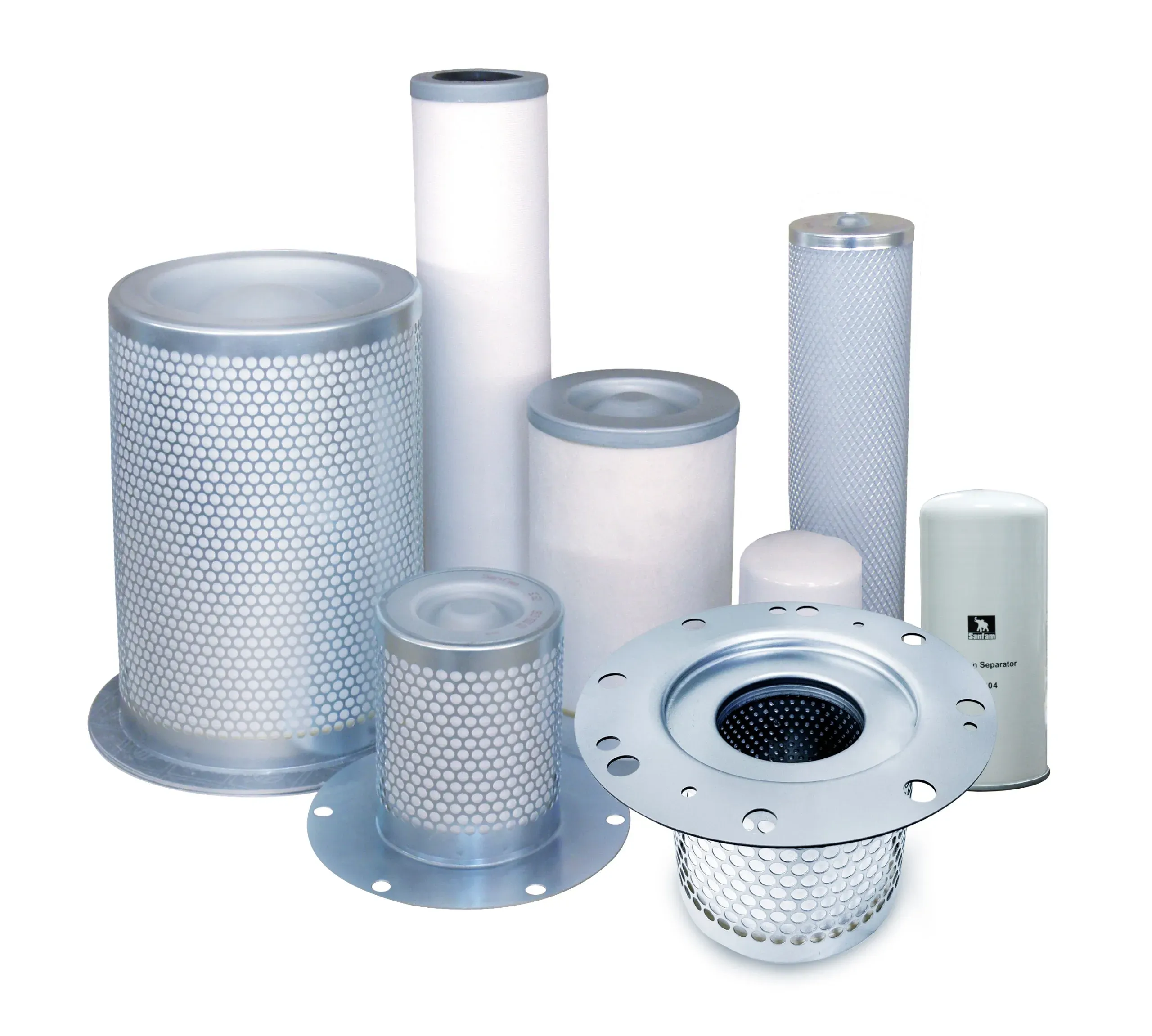
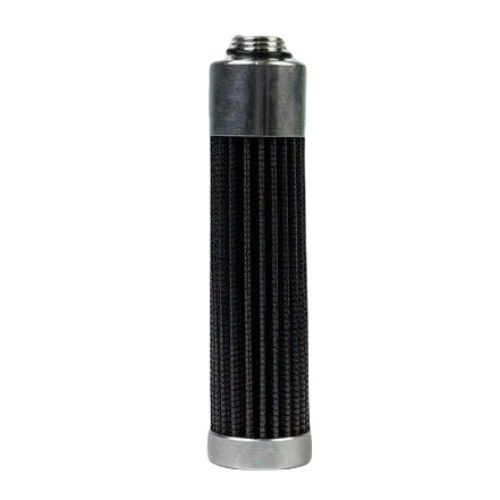
Line filtration only works when the elements match what the equipment upstream and downstream actually does. Keli-Parts supplies line filter elements across the common precision grades, for screw and piston compressor installations, and we check fitment before quoting: housing thread, element dimensions and sealing surfaces verified against your filter housing and your site's configuration — dryer type, flow and the equipment being protected.
Because precision elements follow a replacement rhythm, we plan supply around your service cycle, with a typical 3-6-month reorder interval. Minimum order quantity starts at one piece and mixed batches are accepted, so a plant can standardize grades housing by housing instead of ordering a full set blind. Every order carries a 12-month warranty.
Send your compressor or filter housing model and the old element numbers to sales@keli-parts.com or WhatsApp +86 15757463901 — we check fitment first and quote within one working day.