Troubleshooting
Genuine vs aftermarket oil separators: what actually fails first
Early oil separator failure usually comes down to five checkable details. See what fails first and what to verify before buying an aftermarket separator.
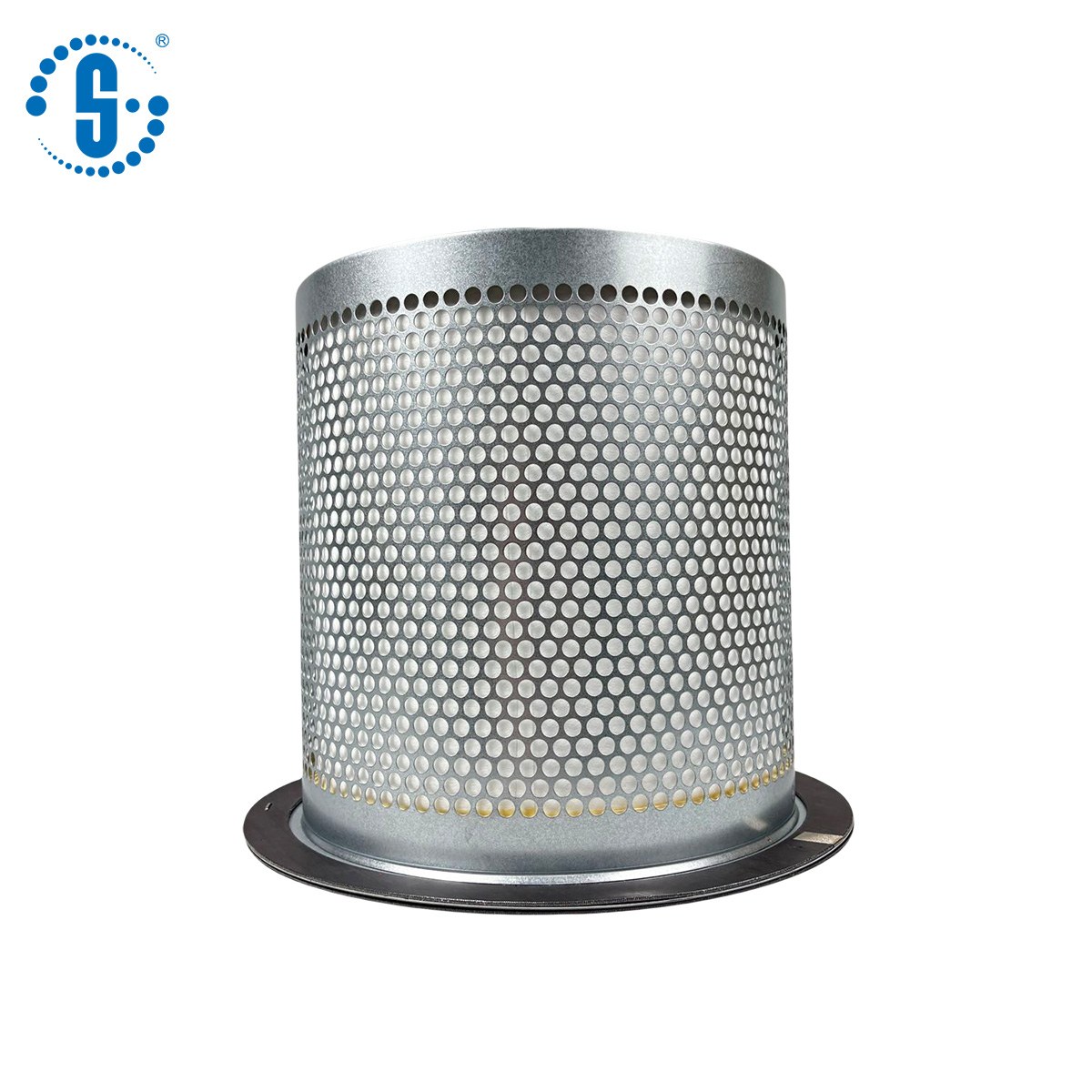
When a separator fails early, the argument that follows is usually about genuine versus aftermarket. In practice, the label on the box rarely tells you why the part stopped working. Separators that fail early almost always fail in one of a few specific places, and every one of those places is checkable before you buy, whichever source you order from.
Failure mode 1: seal material that cannot take the heat
The seal between element and housing lives in hot, oil-soaked air. A seal made from a compound not rated for that environment hardens, shrinks, or swells within months, and the moment it stops sealing, air bypasses the media and carries oil with it. This is a common early failure, and an easy one to check: the seal compound and the sealing surface diameter should match the housing you are fitting, not just the outer diameter of the cartridge.
Failure mode 2: media that separates or shifts
The coalescing media inside a separator is a layered structure bonded to end caps. If the layers are poorly bonded, pressure pulsations from the airend can work them apart, and oil finds the gap instead of draining. End-cap bonding that lets go under heat produces the same symptom: the element still looks intact, but oil consumption climbs within weeks of installation.
Media construction is not visible from the outside, which is exactly why it should be specified in the quote rather than assumed from a photo.
Failure mode 3: the return-oil path nobody measures
A separator only works if the oil it captures drains back to the sump through the scavenge line. If the return port on the replacement is the wrong size, or the orifice in the tank is blocked during installation, oil pools inside the housing until the air flow drags it downstream. The element itself may be perfectly good and still be blamed for a failure that came from an unmated return-oil detail.
The same logic applies to bypass settings: a bypass valve that opens at the wrong pressure changes how and when oil passes through the system. Both details are determined by the machine model, not by the outer shape of the cartridge.
Where the money in a cheap separator actually goes
The visible saving sits on the quote. The invisible costs sit in the plant: a second change-out and the labor for it, unplanned downtime while a replacement is shipped in, cleaning oil out of dryers and downstream filters, and production losses if the air line feeds a quality-sensitive process. None of these show up until months after the purchase decision, which is why the comparison has to be made on specifications and fitment, not on unit price alone.
A simple way to compare offers is to score each one against the five checks in the next section: how many details the supplier confirms in writing before you pay. An offer that answers all five is priced to last the service interval, not just the order.
The five details to check before you buy any separator
Whatever the source, put these five items on your checklist and get answers before the order is placed. First, the mounting thread size and pitch. Second, the overall diameter and height, so the element actually fits the housing. Third, the sealing surface diameter and seal type. Fourth, the bypass valve opening pressure, which must match the machine's design. Fifth, the return-oil port size and the media specification, including the flow the element is rated for. If a supplier cannot confirm all five, the price you were quoted is not the price you will pay.
These checks apply the same way whether the reference is an OEM number or a machine nameplate. For an Atlas Copco GA22 or any other screw compressor, the questions are identical; what changes is the answer.
How Keli-Parts handles the verification
This is the process we run on every separator inquiry: send the compressor model and the old part number, and we check the thread, bypass valve opening pressure, and sealing surface dimensions before quoting. Where a part number is unavailable, we work from a drawing or a sample you send us. The quote that comes back, usually within one working day, includes packing information, and every part is covered by a 12-month warranty. Minimum order quantity is one piece, so you can test the fitment on a single machine before stocking for your fleet.
Send the compressor model and old part number to sales@keli-parts.com or WhatsApp +86 15757463901; we will check fitment first and reply with a quote, packing included, within one working day.